Menopause Supplements: What the Evidence Shows
A calm, evidence-based look at menopause supplements: black cohosh, soy isoflavones, red clover, sage, evening primrose, vitamin D and magnesium, with cautions.
Menopause is a transition, not a single event. The years leading up to the final period are called perimenopause, and they can bring hot flushes, night sweats, disturbed sleep, mood changes, vaginal dryness, joint aches and brain fog. These symptoms vary enormously from woman to woman. Some have almost none; others find them disruptive for years. Because the experience is so individual, the market for menopause supplements is large, and the claims on the labels are often broader than the evidence behind them.
This is a reference to the ingredients most commonly found in menopause supplements, what the research suggests for each, how they are typically used, and where the cautions lie. It is not a recommendation to self-treat. Symptoms that are severe, persistent or unusual deserve a conversation with a doctor, and hormone therapy is a decision that belongs with a clinician who knows your history.
What the research shows, ingredient by ingredient
The evidence for menopause supplements is mixed. Some ingredients have been studied in small trials with modest results; others rest mostly on traditional use. Nothing here is a substitute for prescribed treatment, and none of these ingredients is a proven replacement for hormone therapy.
Black cohosh
Black cohosh is a North American plant long used traditionally for menstrual and menopausal symptoms. Reviews of the research are mixed: some trials suggest a modest reduction in hot flushes and night sweats, while larger, better-controlled trials have often found effects similar to placebo. It is not thought to act like oestrogen, which is one reason it has been studied as an option for women who cannot or prefer not to use hormone therapy. Rare cases of liver problems have been reported, so anyone with a history of liver disease should avoid it, and anyone taking it who develops jaundice, dark urine or unexplained fatigue should stop and seek medical advice.
Soy isoflavones
Soy isoflavones are plant compounds that can bind weakly to oestrogen receptors. They are among the better-studied options for hot flushes, and reviews generally suggest a small benefit, with results varying between trials. The effect is not dramatic, and it may depend on how much a woman’s body converts certain isoflavones. For women with a history of oestrogen-receptor-positive breast cancer, the picture is more cautious: soy foods are generally considered safe, but concentrated isoflavone supplements are a different matter, and should only be used after discussion with an oncologist.
Red clover
Red clover contains isoflavones similar to those in soy. Trials have produced inconsistent results for hot flushes, with some showing modest improvement and others none. The same caution applies as for soy isoflavones: concentrated supplements are best avoided by women with a history of hormone-sensitive cancer unless a specialist advises otherwise.
Sage
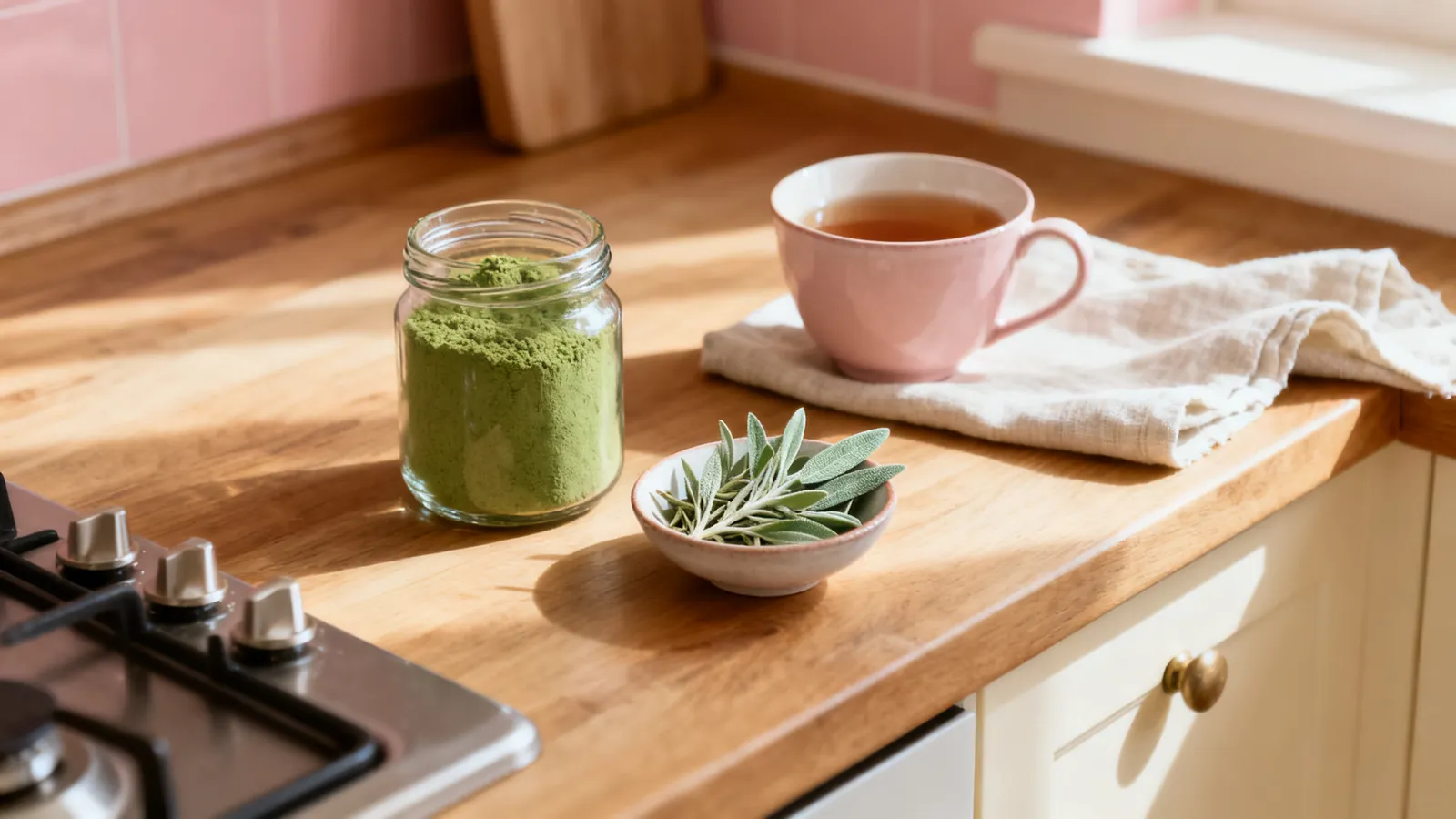
Sage has a long traditional use for sweating, and small studies have looked at sage extracts for hot flushes and night sweats, with some promising but limited results. It is often taken as a standardized extract or as a tea. Sage in medicinal amounts is not suitable during pregnancy or breastfeeding, and it should be used with care by anyone with epilepsy or high blood pressure, as thujone, a compound in some sage preparations, can be problematic in large doses.
Evening primrose oil
Evening primrose oil is rich in gamma-linolenic acid. It is often marketed for breast tenderness and hot flushes, but the research for menopausal symptoms is weak and largely negative. It may interact with blood-thinning medication and can lower the seizure threshold in people taking certain antipsychotics or anticonvulsants. It is not a first-line option for menopause symptoms.
Vitamin D and calcium
Vitamin D and calcium are not menopause symptom treatments, but they matter for bone health, which declines faster after menopause. Vitamin D is commonly recommended at 10–20 micrograms (400–800 IU) a day for general health, with higher doses sometimes used short-term to correct a deficiency. Calcium intake is best met through food where possible. Neither will stop hot flushes, but both are part of a broader bone-health plan that a doctor can help tailor.
Magnesium
Magnesium is involved in muscle and nerve function and is sometimes taken for sleep, cramps and mood. Evidence for magnesium specifically for hot flushes is limited. It may help sleep quality in people who are deficient, and it is generally well tolerated, though too much can cause loose stools. It can interfere with the absorption of some antibiotics and thyroid medication, so timing matters.
How to use menopause supplements: forms, amounts and timing
If you and your doctor decide to try a supplement, the practical details matter. Amounts below are those commonly used in research or on standard labels; do not exceed the label without medical advice.
- Black cohosh: standardized extracts are often used at 20–40 mg a day, sometimes up to 80 mg. Take with food. A trial of 8–12 weeks is usually enough to judge whether it helps. Do not use for more than six months without medical review.
- Soy isoflavones: commonly 40–80 mg of total isoflavones a day, often split into two doses. Food sources such as tofu, edamame and soy milk are a gentler way to increase intake.
- Red clover: typical extracts provide 40–80 mg of isoflavones a day. As with soy, food-first is reasonable for most women.
- Sage: standardized extracts are often taken at 300–600 mg a day, or as a tea made from 1–2 teaspoons of dried leaf in hot water, once or twice a day. Avoid concentrated sage oil.
- Evening primrose oil: commonly 500–1,300 mg a day, though evidence for menopause symptoms is weak.
- Vitamin D: 10–20 micrograms (400–800 IU) a day is a common maintenance dose. Higher doses should be guided by a blood test.
- Magnesium: 200–400 mg a day of elemental magnesium is common. Magnesium citrate and glycinate are well absorbed; oxide is cheaper but more likely to cause loose stools. Take at night if using for sleep, and separate from thyroid medication by four hours.
Timing is often about tolerability rather than effectiveness. Black cohosh and sage are usually taken with meals. Magnesium is often taken in the evening. If you are trying more than one ingredient, introduce them one at a time so you can tell what is helping and what is not.
Side effects, interactions and who should avoid these supplements
No supplement is risk-free, and menopause supplements are no exception.
- Black cohosh: rare reports of liver injury. Avoid if you have liver disease or drink heavily. Stop and seek advice if you develop yellowing of the eyes or skin, dark urine, or unexplained tiredness. It may interact with some chemotherapy drugs and with medications processed by the liver.
- Soy and red clover isoflavones: avoid concentrated supplements if you have a history of oestrogen-receptor-positive breast cancer, endometrial cancer or other hormone-sensitive conditions, unless your specialist agrees. They may also interfere with tamoxifen, though the evidence is not settled.
- Sage: avoid medicinal doses in pregnancy and breastfeeding. Use caution with epilepsy and high blood pressure. Sage may lower blood sugar, so monitor if you take diabetes medication.
- Evening primrose oil: avoid if you take blood thinners such as warfarin or have a seizure disorder. It can interact with some antipsychotics and anticonvulsants.
- Vitamin D: very high doses over time can raise blood calcium. Do not take large doses without monitoring.
- Magnesium: reduce the dose if it causes diarrhoea. Avoid in kidney disease unless a doctor approves. Separate from thyroid medication and some antibiotics by at least four hours.
Anyone who is pregnant or breastfeeding, takes prescription medication, has a medical condition, or is due for surgery should speak to a doctor or pharmacist before starting any supplement. This is especially true for women taking thyroid medication, blood thinners, diabetes medication or hormone therapy.
Common mistakes, myths and what these supplements cannot do
A few themes come up again and again.
- Expecting a replacement for hormone therapy. For moderate to severe hot flushes and night sweats, hormone therapy remains the most effective treatment for most women, and it is a conversation to have with a doctor. Supplements may offer modest relief at best, and often no more than placebo.
- Taking several products at once. Many menopause formulas combine black cohosh, soy, red clover and sage. If you have a side effect, you will not know which ingredient caused it. Start one at a time.
- Ignoring the label. Proprietary blends often list total milligrams without saying how much of each ingredient is present. Look for standardized extracts with the active compound stated.
- Assuming natural means safe. Herbs can interact with prescription medicines and affect the liver. Natural is not a safety category.
- Using supplements for symptoms that need assessment. Bleeding after menopause, a new breast lump, severe mood changes or thoughts of self-harm are not supplement matters. See a doctor promptly.
- Forgetting the non-supplement basics. Regular weight-bearing exercise, adequate protein, not smoking, limiting alcohol and protecting sleep do more for long-term health across menopause than any single capsule.
Comparing common options
| Option | Form and typical amount | Evidence for menopause symptoms | Who it does not suit |
|---|---|---|---|
| Black cohosh | Standardized extract, 20–40 mg a day | Mixed; some modest benefit in small trials | Liver disease; heavy alcohol use; unexplained liver symptoms |
| Soy isoflavones | 40–80 mg a day, or soy foods | Small benefit in reviews; inconsistent | History of hormone-sensitive cancer, unless specialist agrees |
| Red clover | 40–80 mg isoflavones a day | Inconsistent; some trials show modest benefit | History of hormone-sensitive cancer; those on tamoxifen |
| Sage | 300–600 mg extract or tea | Limited, some promising small studies | Pregnancy, breastfeeding, epilepsy, high blood pressure |
| Evening primrose oil | 500–1,300 mg a day | Weak; largely negative for hot flushes | Blood thinners; seizure disorders; some antipsychotics |
| Vitamin D | 10–20 micrograms (400–800 IU) a day | Not for flushes; supports bone health | Kidney stones or high calcium, unless monitored |
| Magnesium | 200–400 mg elemental a day | Limited for flushes; may help sleep if deficient | Kidney disease; separate from thyroid medication |
Where hormone therapy fits
Hormone therapy is the most studied treatment for menopausal symptoms, and for many women it is more effective than any supplement. It is not right for everyone: a history of breast cancer, blood clots, stroke or certain liver conditions usually rules it out, and the decision depends on your symptoms, your risk factors and your preferences. This is a conversation for a doctor, not a pharmacy aisle. If you are already on hormone therapy, do not stop or change it without speaking to your prescriber.
When to see a doctor
See a doctor if hot flushes or night sweats are severe enough to disrupt sleep, work or relationships; if you have bleeding after menopause; if you notice a new lump or skin change in the breast; if mood changes are persistent or include thoughts of harming yourself; or if you have symptoms that could suggest thyroid problems, such as unexplained weight change, palpitations or unusual fatigue. A doctor can check for other causes and discuss options, including hormone therapy and non-hormonal prescription treatments.
Menopause supplements are a mixed bag. A few ingredients have modest evidence behind them; many do not. Used carefully, with realistic expectations and a doctor’s input, they may play a small supporting role. They are not a substitute for assessment, and they are not a substitute for the treatments that actually work.
Common questions
What are the best menopause supplements?
There is no single best supplement. Black cohosh, soy isoflavones and red clover have the most research, but results are mixed and benefits are usually modest. Vitamin D and magnesium support general health rather than treating hot flushes. What suits you depends on your symptoms, history and medications, so discuss it with a doctor or pharmacist.
Do menopause vitamins actually work?
It depends on the ingredient and the symptom. Vitamin D and calcium support bone health, which matters after menopause, but they do not reduce hot flushes. Magnesium may help sleep if you are deficient. For flushes and night sweats, evidence for most supplements is limited and often no better than placebo.
Are natural menopause supplements safe?
Not automatically. Black cohosh has been linked to rare liver problems, sage is unsuitable in pregnancy and epilepsy, and evening primrose oil can interact with blood thinners. Soy and red clover isoflavones need caution with a history of hormone-sensitive cancer. Always check with a doctor or pharmacist before starting.
Can I take menopause supplements with hormone therapy?
Possibly, but it should be discussed with your prescriber. Some ingredients, such as soy isoflavones, may interact with hormone treatments, and combining products makes side effects harder to trace. Do not stop or change prescribed hormone therapy without medical advice.
How long should I try a menopause supplement before giving up?
A fair trial is usually 8 to 12 weeks at a consistent dose. If there is no meaningful improvement by then, it is reasonable to stop. Do not exceed the label, and review with a doctor if symptoms are severe or persistent.
Read next
Ashwagandha for Women: Benefits, Side Effects, Cautions
What ashwagandha is, what research suggests for stress, sleep and menopause symptoms, typical amounts, side effects, liver and thyroid cautions.

Bladder Control for Women: Causes and What Helps
Why bladder leakage happens after childbirth and menopause, how stress and urge leakage differ, pelvic floor exercises, and what supplements can and cannot do.
Hormone Balance Supplements: What's Inside
What 'hormone balance' supplements actually contain, what the research says about DIM, chasteberry, maca and myo-inositol, and how they interact with HRT.