Hormone Balance Supplements: What's Inside
What 'hormone balance' supplements actually contain, what the research says about DIM, chasteberry, maca and myo-inositol, and how they interact with HRT.
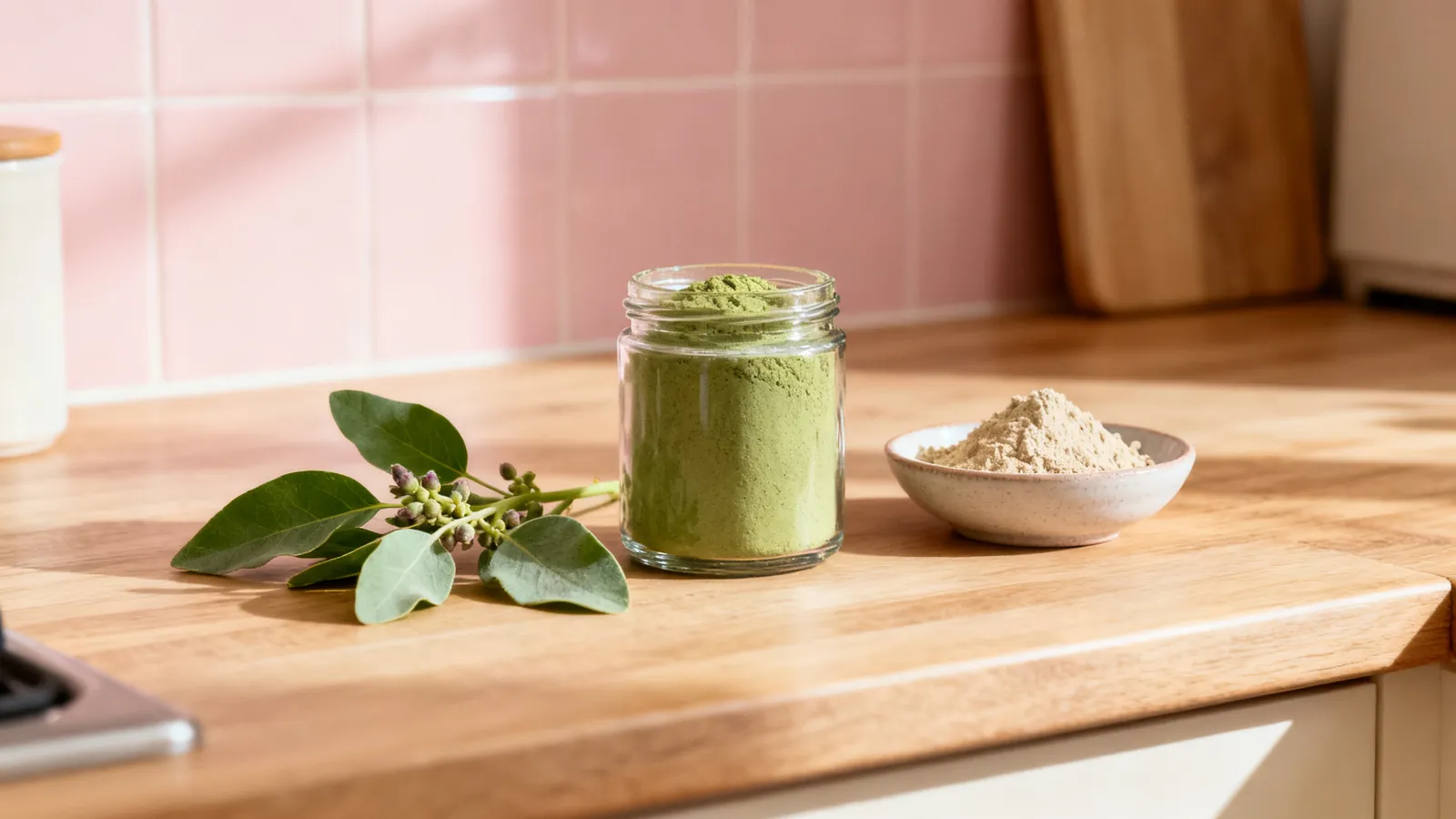
The phrase “hormone balance” appears on hundreds of supplement labels, but it is not a medical term. In medicine, hormones are measured, and when they are outside a reference range, the cause is investigated. A supplement cannot diagnose a hormonal problem, and it cannot replace a prescribed treatment. What follows is a plain look at the ingredients commonly sold under this heading, what they have been studied for, and where the evidence is thin.
What “hormone balance” means on a label
On a supplement label, “hormone balance” is a marketing phrase, not a clinical claim. It usually signals that the product contains plant extracts or vitamins that have been studied in relation to estrogen, progesterone, prolactin or insulin. It does not mean the product has been shown to normalise any hormone level in women generally.
In medicine, hormone balance is assessed with blood tests, a symptom history and sometimes imaging. Perimenopause and menopause are diagnosed mainly from symptoms and age; hormone tests are used selectively, because levels fluctuate widely from day to day. If a symptom is persistent, severe or unusual, it needs a doctor, not a supplement.
The common ingredients, and what the research suggests
DIM (diindolylmethane)
DIM is a compound formed in the body from indole-3-carbinol, found in cruciferous vegetables. It has been studied for its effect on estrogen metabolism, particularly the ratio of estrogen metabolites. Small trials have looked at DIM in relation to breast density and cervical changes, but the evidence for symptom relief in perimenopause is limited and mixed. DIM is often combined with calcium-D-glucarate or broccoli extract. It is not a substitute for prescribed hormone therapy.
Chasteberry (Vitex agnus-castus)
Chasteberry is one of the better-studied botanical ingredients for cycle-related symptoms. Trials, mostly small, have examined it for premenstrual symptoms and cyclical breast discomfort. Evidence for hot flushes and night sweats is weaker. It is thought to act on dopamine receptors in the pituitary, which can affect prolactin. Because of that, it may interact with hormonal contraception, dopamine-related medicines and some antipsychotics. It is not recommended during pregnancy or breastfeeding.
Maca (Lepidium meyenii)
Maca is a root vegetable from the Andes, sold as a powder or extract. Small, short trials have looked at maca for menopausal symptoms and sexual wellbeing. Results have been inconsistent, and most studies are too small or too brief to draw firm conclusions. Maca does not appear to raise estrogen levels in the studies done so far, but it has not been studied long-term in women with hormone-sensitive conditions. It is generally well tolerated, though it can cause digestive upset.
Myo-inositol
Myo-inositol is a sugar alcohol used in cell signalling. It has been studied mainly in polycystic ovary syndrome (PCOS), often alongside D-chiro-inositol, for insulin sensitivity and cycle regularity. Evidence in PCOS is moderate; evidence for menopausal symptoms is very limited. It is not a treatment for PCOS on its own, and anyone with PCOS should be under a doctor’s care.
Vitamin B6
Vitamin B6 is involved in neurotransmitter synthesis and hormone metabolism. It has been studied for premenstrual symptoms, with some small trials suggesting benefit, but results are not consistent. High doses taken long-term can cause nerve damage, so it should not be taken above the label without medical advice. Food sources include poultry, fish, potatoes and chickpeas.
Other ingredients seen on labels
Red clover, black cohosh, evening primrose oil, wild yam, dong quai, soy isoflavones and ashwagandha appear frequently. Evidence varies: black cohosh has been studied for hot flushes with mixed results; red clover and soy isoflavones have small trials with inconsistent findings; evening primrose oil is not well supported for menopausal symptoms. Wild yam cream is not converted to progesterone in the body. None of these should be used to replace prescribed hormone therapy.
How these supplements are commonly used
Forms and amounts vary. The following reflect what has commonly appeared in research or on standard labels; they are not recommendations to exceed a label.
- DIM: 100–200 mg a day, often with food.
- Chasteberry: 20–240 mg of extract a day, standardised to a set percentage of active compounds; often taken in the morning.
- Maca: 1.5–3 g a day of dried root powder, or 500–1000 mg of extract.
- Myo-inositol: 2–4 g a day, sometimes divided into two doses; higher amounts have been used in PCOS studies under medical supervision.
- Vitamin B6: 1.3–1.7 mg a day is the typical dietary reference intake for adult women; higher amounts should only be taken with medical advice.
Timing is usually with meals to reduce stomach upset. Chasteberry is often taken in the morning because it may be mildly stimulating. None of these should be started without checking with a doctor or pharmacist, especially if you take any prescription medicine.
Side effects, interactions and who should avoid them
- DIM: generally well tolerated; may cause urine discolouration, headache or stomach upset. Safety in pregnancy and breastfeeding is not established. It may interact with estrogen-related medicines.
- Chasteberry: can cause nausea, headache, acne or cycle changes. It may interact with hormonal contraception, HRT, dopamine agonists and antipsychotics. Avoid in pregnancy and breastfeeding.
- Maca: may cause digestive upset. Avoid if you have a hormone-sensitive condition unless a doctor says otherwise.
- Myo-inositol: generally well tolerated; may cause mild digestive upset. Caution with blood-sugar-lowering medication, as it may add to the effect.
- Vitamin B6: high doses over time can cause peripheral neuropathy. Do not exceed the label without medical advice.
Anyone taking hormonal contraception, HRT, thyroid medication, blood thinners, antipsychotics or diabetes medication should speak to a pharmacist before adding any of these. If you are pregnant or breastfeeding, or have a history of breast, uterine or ovarian cancer, do not start a hormone-related supplement without a doctor’s approval.
What these supplements cannot do
They cannot diagnose a hormonal imbalance. They cannot replace hormone therapy, thyroid medication or diabetes treatment. They cannot “flush out” hormones or “reset” the endocrine system. They do not treat hot flushes, night sweats, mood changes or sleep problems in the way a prescribed treatment can, and the evidence for most is modest at best.
If symptoms are disrupting daily life, the options with the strongest evidence are not supplements. Hormone therapy, vaginal estrogen for local symptoms, cognitive behavioural therapy for hot flushes and sleep, and lifestyle measures such as regular movement, cooling strategies and reducing alcohol and caffeine are all discussed in clinical guidelines. Hormone therapy is a conversation for a doctor, who can weigh benefits and risks for your history.
Comparing common options
| Ingredient | Studied mainly for | Evidence strength | Who it does not suit |
|---|---|---|---|
| DIM | Estrogen metabolism | Limited, mixed | Pregnancy, breastfeeding, hormone-sensitive cancer history |
| Chasteberry | Premenstrual symptoms, cyclical breast discomfort | Moderate for cycle symptoms, weak for menopause | Pregnancy, breastfeeding, those on hormonal contraception or HRT |
| Maca | Menopausal symptoms, sexual wellbeing | Limited, small trials | Hormone-sensitive conditions unless approved by a doctor |
| Myo-inositol | PCOS, insulin sensitivity | Moderate in PCOS, very limited in menopause | Those on blood-sugar-lowering medication without advice |
| Vitamin B6 | Premenstrual symptoms | Mixed | Anyone taking high doses long-term without medical advice |
| Red clover / soy isoflavones | Hot flushes | Mixed, small trials | Hormone-sensitive cancer history unless approved by a doctor |
| Black cohosh | Hot flushes | Mixed | Liver disease; rare liver concerns reported |
When a symptom needs a doctor
See a doctor if you have bleeding between periods, bleeding after sex, bleeding after menopause, a new breast lump, nipple discharge, severe pelvic pain, unexplained weight loss, or symptoms that are getting worse rather than settling. Also see a doctor if hot flushes or mood changes are affecting work, sleep or relationships, or if you have thoughts of harming yourself. These are not supplement problems; they need assessment.
Common mistakes and myths
- “Natural means safe.” Plant extracts can interact with prescription medicines, including HRT and hormonal contraception.
- “A blood test will show my hormone balance.” Hormone levels fluctuate, especially in perimenopause. A single test is rarely decisive.
- “I can take this instead of HRT.” No supplement has been shown to be equivalent to prescribed hormone therapy for menopausal symptoms.
- “More is better.” High-dose vitamin B6 can cause nerve damage; high-dose chasteberry can disrupt cycles.
- “It worked for my friend.” Symptoms change on their own, and placebo effects are strong in menopause research.
Before starting any hormone balance supplement, talk to a doctor or pharmacist. Bring the bottle so the ingredients can be checked against your medicines. Do not stop or change prescribed medication without speaking to the prescriber first.
Common questions
Do hormone balance supplements actually work?
For most ingredients sold under this label, the evidence is limited or mixed. Chasteberry has moderate evidence for premenstrual symptoms, and myo-inositol has moderate evidence in PCOS, but evidence for hot flushes and night sweats is weak. No supplement has been shown to be equivalent to prescribed hormone therapy.
Can I take hormone balance supplements with HRT?
Some ingredients, such as chasteberry, may interact with HRT or hormonal contraception. Do not combine them without checking with a doctor or pharmacist, and never stop or change prescribed HRT on your own.
What vitamins help balance hormones for females?
No vitamin balances hormones in the way a prescription can. Vitamin B6 has been studied for premenstrual symptoms with mixed results, and vitamin D is important for bone health, but neither is a treatment for hormonal imbalance. A doctor can check for deficiencies with a blood test.
Are hormone balance supplements safe?
Many are generally well tolerated, but they can interact with prescription medicines and are not suitable for everyone. Chasteberry should be avoided in pregnancy and with hormonal contraception; DIM and maca are not recommended in hormone-sensitive conditions without medical approval. High-dose vitamin B6 can cause nerve damage.
When should I see a doctor about hormonal symptoms?
See a doctor for bleeding between periods, bleeding after sex or after menopause, a new breast lump, nipple discharge, severe pelvic pain, unexplained weight loss, or symptoms that are worsening. Also seek help if mood changes are affecting daily life or if you have thoughts of self-harm.
Read next
Ashwagandha for Women: Benefits, Side Effects, Cautions
What ashwagandha is, what research suggests for stress, sleep and menopause symptoms, typical amounts, side effects, liver and thyroid cautions.

Bladder Control for Women: Causes and What Helps
Why bladder leakage happens after childbirth and menopause, how stress and urge leakage differ, pelvic floor exercises, and what supplements can and cannot do.
Magnesium for Women: Forms, Amounts, Menopause
Magnesium for women: how much is enough, which forms suit sleep, cramps and menopause, and who should avoid supplements. A calm, evidence-aware guide.