GLP-1 Supplements: What They Are and Are Not
GLP-1 supplements are not the same as prescription GLP-1 medicines. Learn what is inside, what the research suggests, and who should avoid them.
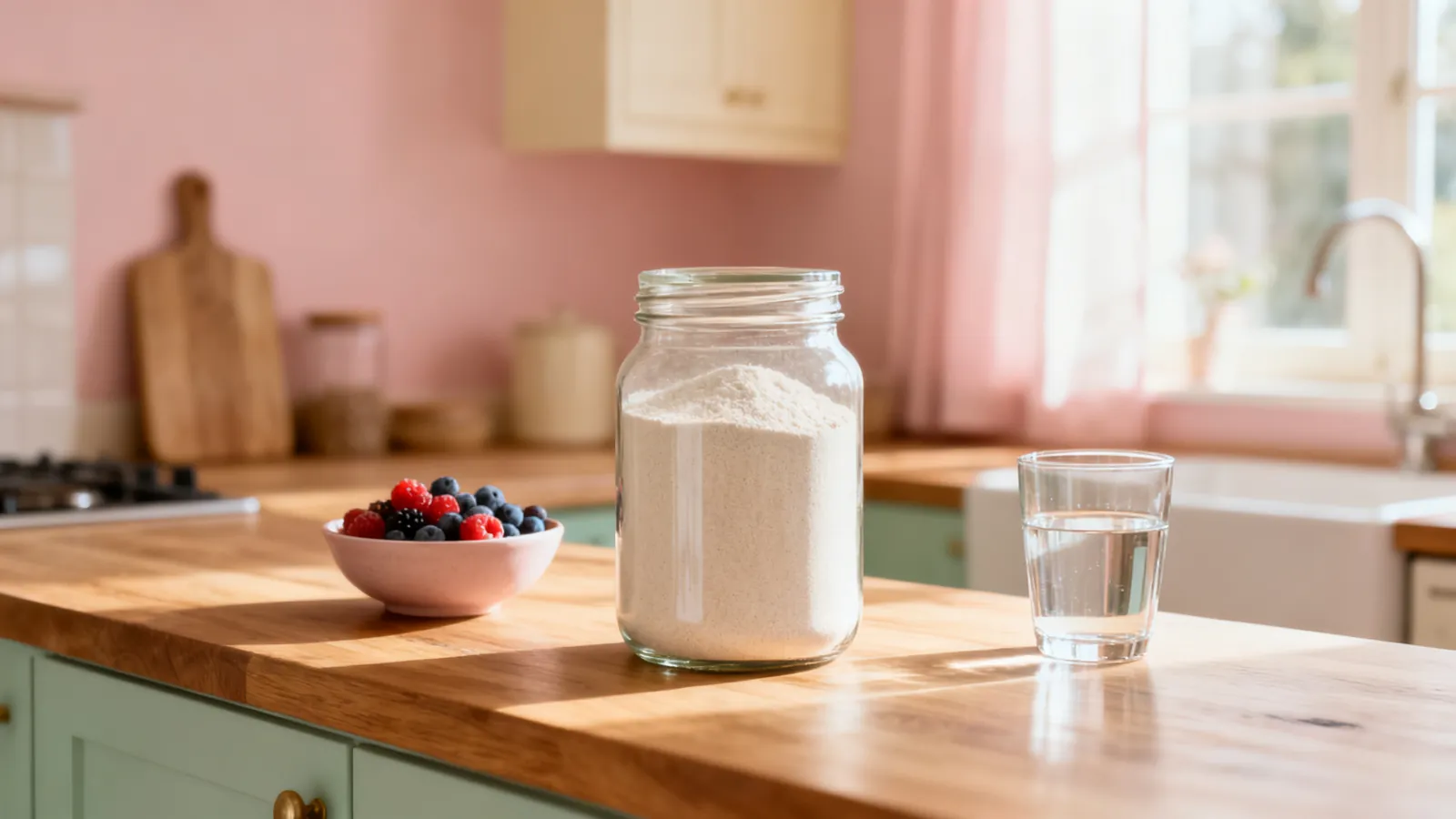
The pharmacy aisle now has bottles labelled “GLP-1 support” and “natural GLP-1.” They sit near the weight-management products, and the wording invites a reasonable question: is this the same as the prescription medicines? It is not. A supplement cannot contain a GLP-1 medicine, and the ingredients sold under this label work differently, if they work at all.
What GLP-1 is and what the prescription medicines do
GLP-1 stands for glucagon-like peptide-1. It is a hormone your gut releases after you eat. It travels in the blood and acts on several tissues: it signals the pancreas to release insulin when glucose is high, slows the rate at which the stomach empties, and acts on the brain in ways that reduce appetite. In a healthy system, it is part of the normal feedback that tells you when you have eaten enough.
The prescription medicines in this class are peptides. They are either synthetic versions of human GLP-1 or similar molecules that bind the same receptor. Because they are peptides, they are broken down in the stomach and cannot be taken as a pill in the same way as a small-molecule drug; most are given by injection, though some oral formulations exist. They are regulated as prescription drugs, prescribed for type 2 diabetes and, in some cases, for weight management, under medical supervision.
A dietary supplement is regulated differently. It cannot lawfully contain a prescription drug, and it cannot claim to treat, cure, or prevent a disease. So a bottle labelled “GLP-1 support” is not a GLP-1 medicine. It may contain ingredients that have been studied for effects on blood sugar, appetite, or gut hormones, but the evidence is not the same as for the prescription products, and the effects are not comparable.
What is actually inside “GLP-1 support” products
Products sold under this label vary, but the same ingredients appear repeatedly. None of them is a GLP-1 receptor agonist. They fall into a few groups.
Berberine. A plant alkaloid studied for blood sugar effects. Small trials and reviews suggest it may modestly lower fasting glucose and improve insulin sensitivity in some people with type 2 diabetes, though results are mixed and the studies are often short. It is not a GLP-1 medicine and does not act on the GLP-1 receptor.
Fibre, including psyllium. Soluble fibre slows digestion and can blunt the rise in blood sugar after a meal. It also feeds gut bacteria, which produce short-chain fatty acids that may influence the cells that release GLP-1. This is a real physiological pathway, but the effect on circulating GLP-1 from a fibre supplement is small and short-lived compared with a prescription medicine.
Probiotics. Certain gut bacteria have been associated with GLP-1 release in laboratory and animal studies. Human trials of probiotics for weight or appetite are mixed, and effects are modest at best.
Yerba mate and green tea extracts. These contain caffeine and polyphenols. Some small studies suggest they may slightly increase GLP-1 or affect appetite, but the evidence is limited and the effect is not comparable to a prescription drug.
Chromium, cinnamon, and bitter melon. Sometimes included for blood sugar support. Evidence for meaningful effects on GLP-1 or weight is weak.
What the research shows, and how strong it is
The honest summary is that the evidence for supplements marketed as GLP-1 support is much weaker than the evidence for the prescription medicines. Most studies are small, short, and use different doses and preparations, which makes them hard to compare. Some ingredients, such as berberine and soluble fibre, have plausible mechanisms and modest effects on blood sugar markers in some trials. Others have very little human data.
What the research does not show is that any supplement raises GLP-1 to the levels achieved by prescription medicines, or produces comparable weight loss. The prescription products were tested in large trials with hard outcomes; supplements have not been. That does not mean supplements are useless, but it does mean the label “GLP-1” is being used loosely.
How to use them: forms, amounts, and timing
If you decide to try one of these ingredients, the following reflects amounts commonly used in research or on standard labels. Do not exceed the label, and check with a pharmacist before combining with medication.
Berberine. Studies have commonly used 500 mg two to three times a day, often before meals. It can cause stomach upset. It interacts with several drugs, including some diabetes medications, statins, and blood thinners.
Psyllium. A common starting dose is 3–5 g once daily, increased gradually. Take with plenty of water. Start low to avoid bloating.
Probiotics. Doses vary widely by strain. Follow the label. Refrigerate if directed.
Yerba mate or green tea extract. Usually taken as a beverage or capsule. Watch total caffeine intake.
Timing matters mainly for tolerance. Fibre and berberine are often taken with or just before meals. If you take prescription medication, separate fibre from your medicine by at least two hours, as it can reduce absorption of some drugs.
Side effects, interactions, and who should avoid them
Berberine. Common side effects include nausea, diarrhoea, and cramping. It can lower blood sugar, so combining it with insulin or sulfonylureas may increase the risk of hypoglycaemia. It affects liver enzymes that metabolise many drugs, so it can raise or lower levels of statins, some blood pressure medicines, and others. Avoid in pregnancy and breastfeeding. Avoid if you have liver disease.
Psyllium and other fibres. Generally safe, but can cause bloating and gas. Avoid if you have a bowel obstruction or difficulty swallowing. Take with water to prevent choking.
Probiotics. Usually well tolerated. Avoid in people who are immunocompromised or have a central line, as rare infections have occurred.
Yerba mate and green tea extract. Caffeine can cause jitteriness, palpitations, and sleep problems. High-dose green tea extract has been linked to liver injury in rare cases. Avoid if you have liver disease or are sensitive to caffeine.
Who should not take these without medical advice: anyone who is pregnant or breastfeeding, anyone with type 1 diabetes, anyone taking insulin or sulfonylureas, anyone with liver or kidney disease, and anyone taking blood thinners or other narrow-therapeutic-index drugs.
Common mistakes, myths, and what these products cannot do
The biggest mistake is thinking a supplement can replace a prescription GLP-1 medicine or any other treatment for diabetes or obesity. It cannot. If you are prescribed a GLP-1 medicine, do not stop or change it without speaking to your prescriber. If you are not prescribed one but are considering it, that is a conversation with a doctor, not a supplement purchase.
Another mistake is assuming “natural” means “no interactions.” Berberine, in particular, interacts with many common drugs. Fibre can bind medicines and reduce their absorption. These are real effects.
A third is expecting weight loss. The evidence for weight loss from any of these ingredients is weak. Some may slightly reduce appetite or improve blood sugar markers, but the effect is not comparable to a prescription medicine, and it is not guaranteed.
Finally, the term “natural GLP-1” is misleading. Your body makes GLP-1 naturally. A supplement does not contain GLP-1; it may contain ingredients that, in some studies, influence blood sugar or gut hormones. That is a different claim.
When to get blood tests
If you are considering a supplement for blood sugar or weight, ask your doctor whether baseline tests are appropriate. Fasting glucose, HbA1c, and a lipid panel are common. If you have symptoms such as excessive thirst, frequent urination, unexplained weight loss, or fatigue, see a doctor before self-treating. If you have a thyroid condition, thyroid function tests are part of standard care, and some supplements can interfere with thyroid medication absorption.
Comparing options
| Option | What it is | Evidence for GLP-1 or weight effects | Who it does not suit |
|---|---|---|---|
| Prescription GLP-1 medicine | Peptide drug, prescription only | Strong, from large trials | People with a history of medullary thyroid cancer or MEN2, pancreatitis, or as advised by a doctor |
| Berberine | Plant alkaloid | Modest effects on blood sugar in some trials; mixed | Pregnancy, breastfeeding, liver disease, people on many medications |
| Psyllium fibre | Soluble fibre | Small, short-term effects on blood sugar and appetite | Bowel obstruction, difficulty swallowing |
| Probiotics | Live bacteria | Mixed, modest | Immunocompromised, central line |
| Yerba mate / green tea extract | Caffeine and polyphenols | Limited, small studies | Caffeine sensitivity, liver disease, pregnancy |
A note on safety
Talk to a doctor or pharmacist before starting any supplement, especially if you take medication, are pregnant or breastfeeding, or have a medical condition. Do not stop or change prescribed medication without your prescriber’s advice. If you have diabetes, high blood pressure, or a thyroid condition, any supplement is an addition to your care, not a replacement for it.
Common questions
Do GLP-1 supplements work for weight loss?
The evidence is weak. Some ingredients like berberine and fibre may modestly affect blood sugar or appetite in small studies, but they do not produce the weight loss seen with prescription GLP-1 medicines. Do not expect similar results.
What is the best GLP-1 supplement?
There is no best one, because none is a GLP-1 medicine. Berberine and psyllium have the most human data for blood sugar effects, but the evidence is limited. Talk to a doctor before choosing any supplement.
Can I take a GLP-1 supplement with my prescription GLP-1 medicine?
Ask your prescriber first. Some ingredients, like berberine and fibre, can interact with medications or affect blood sugar. Do not stop or change your prescription without medical advice.
Are natural GLP-1 supplements safe?
They can have side effects and interactions. Berberine interacts with many drugs and can cause stomach upset. Fibre can cause bloating. Check with a pharmacist, especially if you take medication or have a medical condition.
What foods increase GLP-1 naturally?
Protein, fibre, and healthy fats can stimulate GLP-1 release after a meal. Foods like legumes, oats, and vegetables are good sources of fibre. The effect is normal and short-lived, not comparable to a prescription medicine.
Read next
Iodine for the Thyroid: What It Does and Safe Use
How iodine supports thyroid hormones, food sources, who may be low, safe upper limits, Hashimoto's caution, and what potassium iodide tablets are really for.
Thyroid Support Supplements: What's Inside
A calm look at thyroid supplement ingredients like iodine, selenium, zinc, tyrosine and ashwagandha, what the research suggests, and why blood tests come first.
Menopause Weight Gain: What Supplements Can and Cannot Do
Weight gain after menopause is common. Learn what supplements are sold for it, what the research shows, and what actually helps shift weight to the middle.